• Android, BlackBerry and Nokia Log Everything You Do


    Android logo

    Security researchers have discovered that iPhone running iOS 4 were storing a cache of data on which GPS locations that handset had visited in an unencrypted file, it was dubbed LocationGate and later the whole debacle was just a bug but Apple has to testify in front of the Senate about the matter

    Following the incident, one user sent an email to Apple asking for answers. If he didn’t get them soon, he said, he’d switch to Droid; they don’t track him. An email from Steve Jobs, which dropped something of a bombshell: he said Apple doesn’t track anyone’s location, but that Android tracked everyone.

    Now time has proven Steve Jobs right. Android phones do track you. In fact, software that comes pre-installed on millions of Android, BlackBerry and Nokia phones log everything you do with your device, and sends them off secretly to its own servers. Trevor Eckhart, the developer who discovered the software, released a video of his findings, watch it below.

    Carrier IQ will log and save each key dialed. When receiving a text message, Carrier IQ will process and log the text message, before the user even sees it. Web searches are stored by the service as well, logged in plain text. No encryption. That’s incredible. One privately held company that almost no one has ever heard of has the complete logs of every email, phone call, web search and text message ever sent or received by millions of Android, Blackberry and Nokia users.

    In a phone interview to Wired.com, a marketing manager for Carrier IQ defended what the product does:

    We’re not looking at texts. We’re counting things. How many texts did you send and how many failed. That’s the level of metrics that are being gathered.


    [via CultOfMac]

  • BlackBerry Messenger Coming to iPhone on April 26


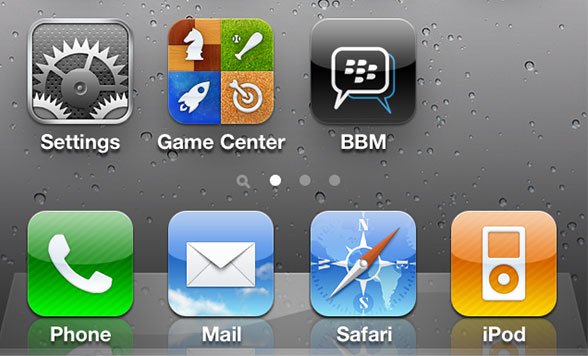
    RIM was looking for a way to expand its BlackBerry Messenger platform to iOS and Android devices, with a release coming soon in the App Store. RIM apparently wasn’t happy about the hundreds of apps clearly inspired by BBM available for iPhones and iPads, and decided to develop a version of Messenger that doesn’t have all the features available to BlackBerry owners, but still allows iOS users to communicate with their friends and family. A compromise, that is, to have BlackBerry Messenger available on as many platforms as possible.

    A poster on MacRumors Forums now suggests BlackBerry Messenger for iOS may be launching in the App Store on April 26. At a “social media conference” in Toronto, RIM’s co-CEO Jim Balsillie allegedly revealed that BBM and “other services” will come to the iPhone on April 26 through the App Store. Balsillie also confirmed that they plan to release an update “this summer” with a new notification system, which may or may not suggest RIM knows something about iOS 5 and the improved notifications Apple has been rumored to be working on. But, then again, it is unclear why would RIM know about such an important aspect of iOS and Balsillie’s statements might just be speculation on his side.

    Right now, we have heard that Android is definitely a go. But again, we’re not sure on timing, though our sources are confident that it will launch some time this year. RIM chose Android first because of the fact that it could develop and integrate something like this much easier with an open platform, but the plan is to build and deploy an iOS version at some point as well.

    So it is possible that in the next few days an Android version of BBM will be unveiled, with the iPhone app scheduled for a late April launch. The rumor hasn’t been confirmed by RIM, but chances are they are really looking for a way to rise among the competition in the App Store (made of apps like WhatsApp, Textie and Ping) by releasing an iOS counterpart of BBM, which counts millions of users worldwide.

  • RIM To Bring BlackBerry Messaging To The App Store


    Research In Motion is preparing to bring Blackberry Messenger to iOS through the App Store.

    RIM wants to own the messaging space, and that means being ubiquitous across all platforms. It’s a curious move: BlackBerry Messaging is one of the few reasons people still buy BlackBerry smartphones over an iOS or Android device.

    Ceding the messaging advantage to the competition? A curious move to say the least, especially since RIM is supposedly hopeful that their new BlackBerry tablet, the PlayBook, can help them get back some of their sales mojo. Does RIM see its future as being primarily in software over hardware? Are they already ceding victory to Apple and Google?

    [via: TUAW]