• iPad 3 Retina Display Graphics Found in iOS 5 SDK


    iPad with Retina Display was much rumored earlier this year, iPad 2X graphics were found in the iBooks application and were immediately assumed to be for the iPad 2, which does not include a Retina display once unveiled.

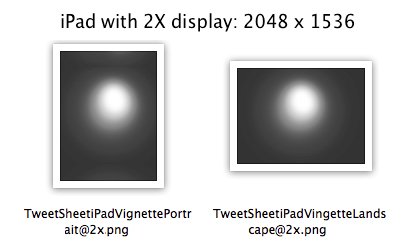
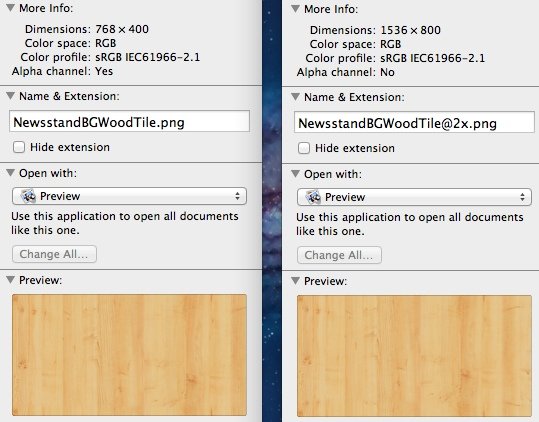
    Now, the guys at TechUnwrapped digging deep inside the new iOS 5 SDK have found images marked with 2X making the new iPad capable of displaying 2048 x 1536 resolution on its display (four times the pixels) of the current iPad (1024 x 768) this pushes the speculation further more as this is not apparently for pure testing purposes. The image below from Newsstand app.

    As iOS 5 is the base for the next generation iPhone and iPad it does make sense that the new iPad will get a really Retina display after all

  • Toshiba Shows off 4-inch 367dpi 720p Resolution Retina Display Panel


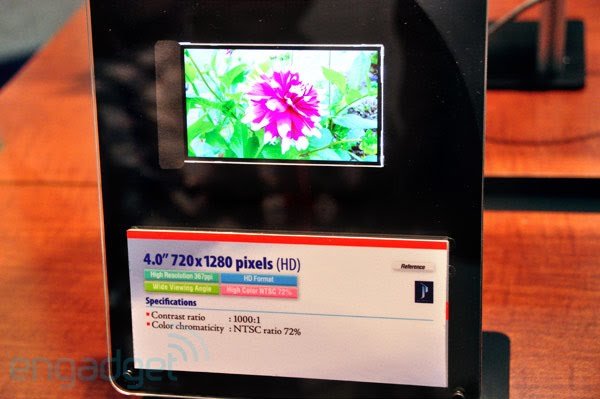
    Toshiba has indeed made a lot of hype over revealing last week their new four-inch LCD display that incorporates 367 pixels-per-inch density, runs at 1280 x 720 pixel resolution natively. Today, Engadget had a chance to spend some time with Toshiba’s new entry at SID 2011, and here what they had to say about the new display panels:

    We got the lowdown on Toshiba’s latest four-inch LCD a couple of days ago, and today at SID 2011 we got up close and personal with the pixel-packed display. It’s one thing to read about a 367ppi screen that shows native 720p video, and it’s quite another to experience it in person. We can report that it is, in fact, as awesome as it sounds — onscreen images were clear, crisp, and chromatically brilliant. Pixel density enthusiasts will also be happy to hear that Toshiba confirmed the display will make it to market this year. Of course, the rep wouldn’t tell us which phone will take the iPhone 4’s crown as the ppi champ, though we imagine it’ll be something powered by little green bots.

    They have recorded a small footage that you can watch below:

  • Toshiba is Working on 4-inch 367dpi Retina Display For Apple?


    Toshiba is going to exhibit next-generation displays and technologies at the 2011 Society for Information Display International Symposium, May 17 to 19, 2011. The interesting news is that Toshiba is going to show off a 4″ High density displays for mobile devices. here what they had to say:

    Displays for Mobile Phones and Portable Electronics: The mobile section of the booth will feature high-resolution LTPS displays, up to 367ppi (pixels per inch) resolution density, in sizes ranging from 3.3-inch to 4.0-inch with resolution formats ranging from Wide VGA (480 x 864) to HD (720 x 1280). In addition, these displays will demonstrate advanced technologies such as high-contrast (up to 1,500:1), high-color (up to 92% NTSC), and wide viewing angle (up to H/V 176º/176º). The displays are just a few representative examples of TMD’s broad line of thin and light displays for mobile smartphones and other portable electronic devices.

    A lot of previous rumors speculated a new iPhone with edge-to-edge 4-inch display panels. Back in December a news came from Reuters reporting that Apple & Toshiba said to be working with on future displays which apparently ditching Samsung away:

    Toshiba Corp will spend about 100 billion yen ($1.19 billion) to build a factory for making small LCD panels, mainly to supply to Apple Inc’s iPhones, the Nikkei business daily said.The company’s wholly owned unit, Toshiba Mobile Display Co, will construct the facility in Ishikawa prefecture and the plant will churn out low-temperature polysilicon LCD panels, which allow for high-resolution images, the paper said.Work on the plant will start by early next year, with the production due to begin in the second half of 2011, Nikkei said.Toshiba Mobile Display already makes low-temperature polysilicon LCD panels at a facility in the prefecture and its monthly production capacity of 8.55 million units is projected to more than double with the new factory, the daily said.  Apple will invest in a portion of the investment for the factory, the Nikkei said.

    Are we waiting for a 4-inch iPhone this fall?

  • Samsung Announces 2560 x 1600 Pixel at 300 dpi Display for Tablets


    At the SID Display Week 2011 International Symposium, Samsung will demonstrate the first 10.1-inch display with 2560 x 1600 pixel resolution made for tablets. It offers an “ultra-high resolution”, LCD at 300dpi. According to Samsung’s press release, The prototype demonstration marks the first time this resolution has been available for the tablet market in the popular – 10.1-inch – format, rivaling the highest resolution smartphone displays now on the market.

    The display also relies on the PenTile technology, developed by Nouvoyance, which allows for 40% less power consumption and two-thirds number of subpixels.

    Because tablets are regularly used for viewing rich-colored images, the 10.1-inch 300 dpi display is ideal for applications that require extraordinary image and text clarity such as browsing the web and viewing high-definition movies, or reading books and spreadsheets.

    In order to develop tablets with the form and function that consumers demand, a design engineer ultimately has to determine how to get the highest resolution display possible, while still fitting within the overall power budget for their design”

    “Samsung’s PenTile display technology is the only display technology that operates at 40 percent less power yet provides twice that of Full HD-viewing performance for consumers compared to legacy RGB stripe LCDs. There is no other commercial display technology on the market today that offers this high of a resolution and pixel density in a 10.1-inch size display,” said Dr. Sungtae Shin, Senior VP of Samsung Electronics.

    Definitely this announcement opens the door to the possibility of having a “Retina Display” on Apple’s iPad which sports a 9.7-inch Samsung panel at 1024 x 768 pixel. Is this technology able to fit a double resolution 2048 x 1536 pixel for next iPads?

    Samsung expects to have commercial availability of this technology for tablet applications later this year.