• Apple May Partner with TSMC ditching Samsung For A5 Production


    Apple has allegedly inked a deal with chipmaker Taiwan Semiconductor Manufacturing Co. to produce the A5 chip for the iPad 2, a move that is seen as a potential loss for Samsung.

    Apple is rumored to have entered a foundry agreement with TSMC to build the A5 processor, according to EETimes. In addition to powering the new iPad 2 set for release on Friday, Apple’s custom dual-core A5 processor is also expected to power the anticipated iPhone 5, expected to debut this summer.

    Apple is expected to spend $7.8 billion on components from Samsung alone in 2011, for parts including liquid crystal displays, processors and NAND flash memory chips in mobile devices including the iPhone and iPad. The deal would make Apple the largest customer of Samsung.

    The EETimes report said Apple is making the switch for three reasons, one of them being the fact that Samsung competes with both the iPhone and the iPad with its own devices.

    Apple, according to the source, will use TSMC for three reasons: 1. Samsung competes with the iPhone and iPad; 2. TSMC has the highest yielding 40-nm process in the foundry world; and 3. TSMC has the most 40-nm capacity.

  • Adobe Releases Flash-to-HTML5 Conversion Tool to reach iOS Safari & Other Devices


    Adobe has finally released a pre-release version of their ‘Wallaby’ Flash-to-HTML5 file conversion software. The software is easy for developers to use and allows developers to drag and drop their Flash content into an Adobe Air application that will then convert it to HTML5 code.

    The new code can then be completely edited in programs like Adobe Dreamweaver or manually by hand in text editing software. This new application from Adobe is a huge deal and developers can now easily convert their Flash websites and web applications for use on non-Flash devices like the iPhone, iPod touch, and iPad.

    “Wallaby” is the codename for an experimental technology that converts the artwork and animation contained in Adobe® Flash® Professional (FLA) files into HTML. Wallaby is not a final product and is still in the testing and validation phase. We are not yet able to commit to a roadmap for this experimental technology.

    Here’s a video of the software:

  • iPhone 5 to get Metal Back with Antenna Apple Logo?


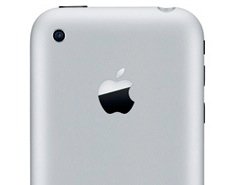
    Apple is reportedly planning to switch from the glass-backed iPhone 4 design to an aluminum chassis for the iPhone 5, in an attempt to bypass issues with cracking and scratching, together with paint finishes. According to Macotakara source, the new metal backplate will have a resin Apple logo integrated with the WiFi, cellular and other antennas, apparently replacing the edge antennas found on the current iPhone 4.

    The glass design of the iPhone 4, the sources suggest, has left Apple frustrated with its durability and weight. Problems, meanwhile, with the antenna design – the so-called antennagate issue – forced Apple to offer free Bumper cases to address reception complaints.

    Finally, the issues surrounding the much-delayed white iPhone 4 have, it’s been suggested, been a result of painting difficulties experienced in the manufacturing process, something a shift away from glass would address. The report also tips the same dual-core Apple A5 processor as found in the iPad 2, and an unveil – as generally expected – in June or July this year.

    Of course, Apple could also be looking beyond aluminum to Liquidmetal, the technology it invested in last year and which is currently only used to make the SIM removal tool. Liquidmetal is billed as scratch, corrosion and grease proof, and as strong as titanium but uses a third of the material.

    [via MacRumors]

  • The View Inside Google Self-Driving Car’s Cockpit


    Some lucky attendees of this week’s TED conference were given rides in Google’s self-driving car. And one in particular was kind enough to take a video of what it’s like to ride shotgun. Plenty of NSFW language, because THE CAR IS DRIVING ITSELF

    Google’s been working on these self driving cars in secret but are actually testing them right now, right out in the open. The NY Times saw one of these cars in action:

    A Prius equipped with a variety of sensors and following a route programmed into the GPS navigation system nimbly accelerated in the entrance lane and merged into fast-moving traffic on Highway 101, the freeway through Silicon Valley.

    It drove at the speed limit, which it knew because the limit for every road is included in its database, and left the freeway several exits later. The device atop the car produced a detailed map of the environment.

    The car then drove in city traffic through Mountain View, stopping for lights and stop signs, as well as making announcements like “approaching a crosswalk” (to warn the human at the wheel) or “turn ahead” in a pleasant female voice.

    Ideally, there’s a driver sitting at the steering wheel, ready to take over whenever anything

    [via: YouTube via GIZMODO]