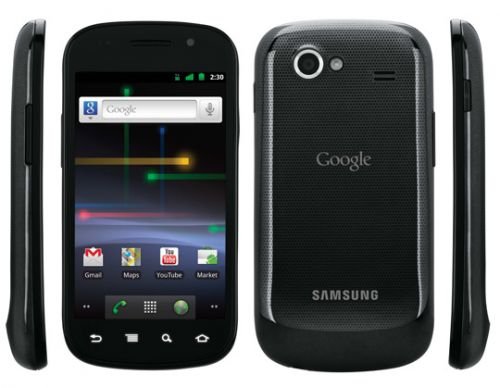
• Nexus 4G Leaked: Dual-Core 1.5Ghz CPU, 1GB RAM, 720p Display, Android 4.0 and 4G LTE


    BGR provided some exclusive details about Google’s upcoming successor to the Nexus S smartphone, Nexus 4G. The device will run on fourth-generation networks based on Long-Term Evolution radio technology, it will have a native 720p display and will run a yet unreleased Android 4.0 version:

    We have been told that the Google Nexus 4G will feature a next-generation dual-core 1.2GHz or 1.5GHz CPU, and contrary to reports about it featuring an NVIDIA Kal-El processor, our source indicates it’s most likely an OMAP 4460 or a, ultra low-power 28nm Krait-based Snapdragon. The display is said to be a 720p HD “monster-sized” screen, and it won’t feature physical Android menu buttons below the screen anymore – everything will be software-based.

    You can expect a slim package containing – in addition to the above – a 4G LTE radio, a one-megapixel front camera for video calls and a five-megapixel camera on the back for taking stills and capturing full HD (1080p) video. A word about the back camera: “The 5-megapixel camera, however, is said to be an advanced 5-megapixel sensor delivering class-leading image quality in addition to superior low-light performance” When, you ask? Around Thanksgiving, if Boy Genius Reports’ sources are anything to go by.

  • Apple’s iCloud is Powered by Windows Azure and Amazon S3 Services


    It looks like Apple has turned to Microsoft and Amazon for help in the cloud services. The hints of this came from an anonymous source who sent a set of screen shots to InfiniteApple. The screenshots supposedly show Apple’s new iMessage service in action – specifically, the HTTP traffic log. The images seem to indicate that iCloud is getting some assistance from S3, Amazon’s cloud storage system, and Azure, Microsoft’s cloud service.

    PUT https://mssat000001.blob.core.windows.net:443/cnt/1234.5678 HTTP/1.1
    Host: mssat000001.blob.core.windows.net:443

    HTTP/1.1 201 Created
    Content-MD5: [redacted]
    Last-Modified: [redacted]
    ETag: [redacted]
    Server: Windows-Azure-Blob/1.0 Microsoft-HTTPAPI/2.0
    x-ms-request-id: [redacted]
    x-ms-version: 2009-09-19
    Date: [redacted]
    Connection: close
    Content-Length: 0

    Exactly how the Microsoft Azure and Amazon S3 cloud systems may be helping Apple’s iCloud is unclear, but whats there is that both companies involvements is merely related to iCloud’s back-end and it’s unlikely they had major involvement in developing iCloud per se.

  • Nuance Might Have Exposed The iPhone 5 Beans


    Interesting screenshots from Nuance’s new SpeechTrans Ultimate App. Nuance is widely believed to be working deeply with Apple on their speech recognition technology so maybe they know something.  Or maybe they just pasted screenshots that were too big on their App?!

  • Google Announces Voice Search, Search by Image, and Instant Pages For Desktop Computers


    Google announced a bunch of new features at Inside Search press conference, June 14th, 2011, which took place yesterday. The new additions are voice search on desktop computers, Instant Search and Image Search.

    Voice Search on the desktop

    Google Voice Search has been available in phones for years. Both Android handset and iPhone via Google’s search app have that feature for a long time, and now the same capability is brought to the desktop and initially, to the Chrome.

    Search by Image

    With this feature you can now upload images straight to the search engine and Google will search through the image file and attempt to locate any similar images and return you the terms they’re associated with:

    If you click the camera, you can upload any picture or plug in an image URL from the web and ask Google to figure out what it is. Try it out when digging through old vacation photos and trying to identify landmarks

    Google has released an extension for Chrome and Firefox that lets users identify any picture on the web by simply right-clicking.

    Instant Pages

    Google is bringing Instant Pages to Google Chrome. Available in all of the beta and dev versions of Google Chrome, Instant Pages is Google’s answer to the pre-fetching features built in to Mozilla’s Firefox. Instead of simply scraping basic HTML information ahead of time, however, Google says that their pre-rendering will grab other resources as well such as Javascript for snappy page loading. Instant Pages are only being used for search results (not targeted for ads specifically), but Google did mention they’ll be looking at how to best deliver ads to consumers in the future. Instant Pages allow the most common results to load instantly (in virtually zero seconds) when the user decides to load them:

    Google pointed out that mobile searches on its site have grown and now surpassed desktop searches.

    [via Google’s Blog]