The Art of being LOST
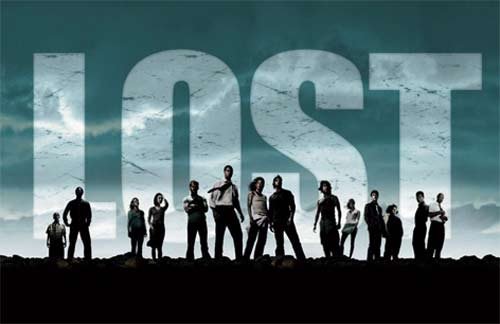
And getting FOUND

+ Refer to the previous post here
+ Inspired by the original picture
The Art of being LOST
And getting FOUND
+ Refer to the previous post here
+ Inspired by the original picture
One of Google’s worst fears may have been realised. The latest edition of the Merriam-Webster Dictionary includes the word “google” which means to use the well-known search engine to look for information on the web.The entry means that in addition to being a proper noun, the word “google” – without capitalisation of the “g” – is now a common transitive verb.In the latest publicly available filing to the US Securities and Exchange Commission made available earlier this week, Google identified the key risks it faced in seeking to maintain its dominance in the search market and preserving its revenue growth rate.
Among the risks listed by Google in its what is called the Q-10 filing was a concern that there may be a downside to too much success.
To quote Google: “We also face risks associated with our trademarks. For example, there is a risk that the word ‘Google’ could become so commonly used that it becomes synonymous with the word ‘search’. If this happens, we could lose protection for this trademark, which could result in other people using the word ‘Google’ to refer to their own products, thus diminishing our brand.”
The Merriam-Webster Dictionary, the pre-eminent dictionary in the US, now defines google as “to use the Google search engine to obtain information about (as a person) on the World Wide Web.”
The entry explains that the the word’s etymology is “Google, trademark for a search engine”, but this could be the first step in the slippery slope to common usage for “internet search”.
In June, the Oxford English Dictionary also added “Google” as a verb, retaining the capitalisation.
Last year, the word “google” was included in the 4th Edition of Australia’s Macquarie Dictionary as an intransitive verb (to search for information on the internet), a transitive verb (to google a research topic) and as a noun (as in “I’m going to have a google”).
The publisher of the Macquarie Dictionary, Ms Susan Butler, said that the slippage of trademarks into use as common words was a real concern for some companies.
“If you can bring evidence to show that such a word has general currency, then anyone can use it,” she said.
She said Google may have to come up with a simple and easy-to-use replacement and educate the populace to adopt that instead.
Coca-Cola successfully defended the exclusive use of its name and the diminutive form “Coke” by offering the alternative of “cola drink” as a way to describe similar types of carbonated soft drinks.
Ugg Boots, Band-Aid, Kleenex, Rollerblade and Xerox are among companies that have seen their trademarks slip into common usage over the past few years.
In one of the most celebrated cases of trademark loss, the German pharmaceutical firm Bayer lost Aspirin – an abbreviation for acetylsalicylic acid – as a US trademark in 1921.
A reported comment from a Google spokesperson describing the Webster-Miriam Dictionary move as “appropriate” may only hasten the widespread adoption of google with the lower-case “g”.
+ Locate the source here
[flv:http://chi-v63.chi.youtube.com/get_video?video_id=iYhCn0jf46U.flv 500 412]